
Welcome to CiPPPA CircuBack
CiPPPA CircuBack is the central hub for our take‑back initiatives, covering Blister Packs, Injectables, and Inhalers. This site provides clear, accessible information for participating Consumers (patients), Dispensing Retail Pharmacies, and Dispensing Doctor Practices. It supports CiPPPA’s mission to make healthcare packaging recycling simple, transparent, and effective.
This is a Circularity in Primary Pharmaceutical Packaging Accelerator (CiPPPA) initiative, managed by TDi Sustainability. While CiPPPA is supported by its general membership, the CircuBack project is specifically funded by a subset of these members, which are/include pharmaceutical companies. These companies have contributed financially to CircuBack and have been involved in decisions on how the project funds are used. For full transparency, a separate list of these members and their logos is available here.
TDi Sustainability: Assheton Carter Limited trading as TDi Sustainability.
About CircuBack
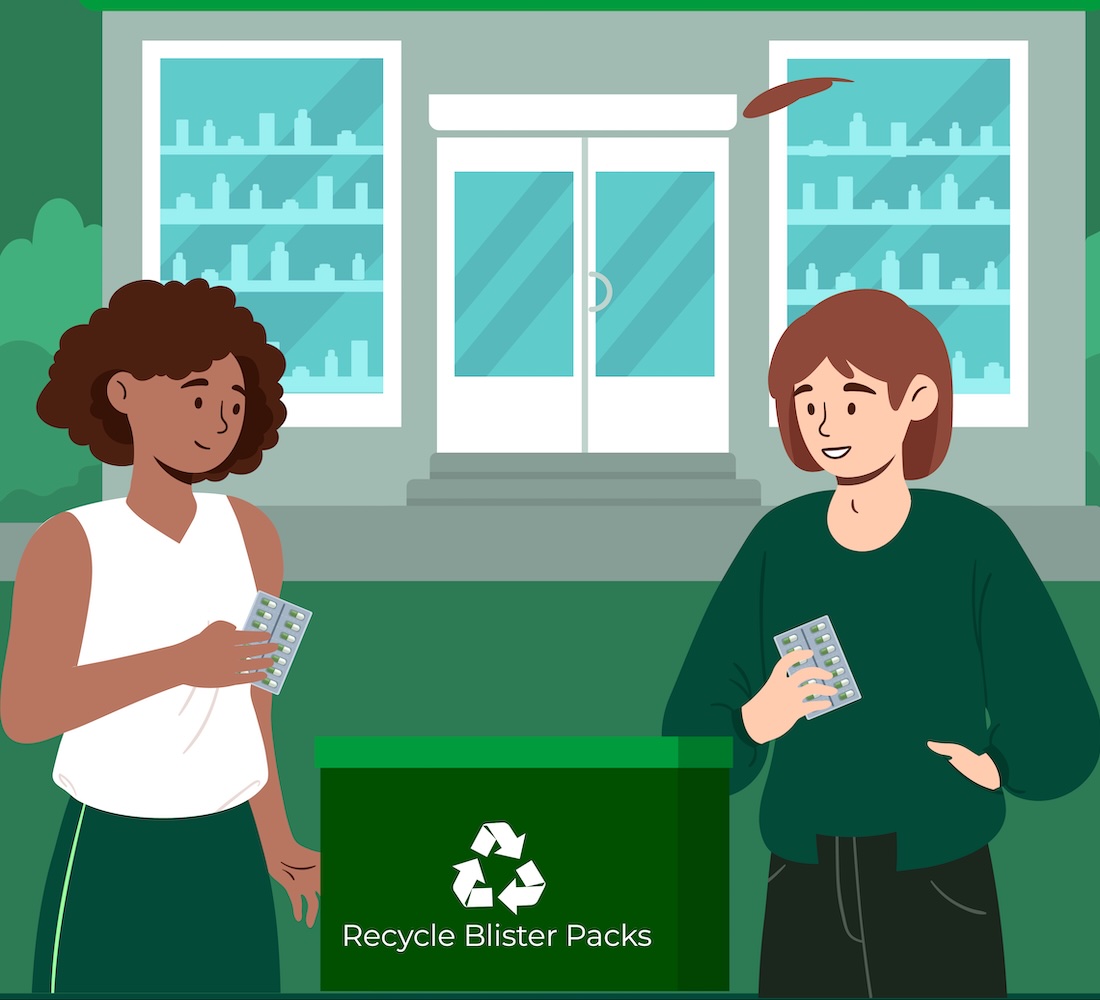
CircuBack represents CiPPPA’s first national scale initiative focused on blister pack recycling, followed by Injectables and ReHale inhaler full integration. The CiPPPA CircuBack initiative will help empower patients to recycle empty blister packaging. Through the Blister packs take-back scheme, consumers can now return their empty blister packaging at their nearest participating retail pharmacies and dispensing doctor practices.
Recycling Blister Packs is a simple action that consumers can take, but collectively it makes a significant difference. This scheme demonstrates how consumers, retail pharmacies and dispensing doctor practices, waste management companies, and CiPPPA can all work together to deliver scalable, compliant recycling solutions that support wider sustainability goals.
CiPPPA CircuBack, Blister Packs Recycling Scheme aims to support the recycling of empty blister packaging.
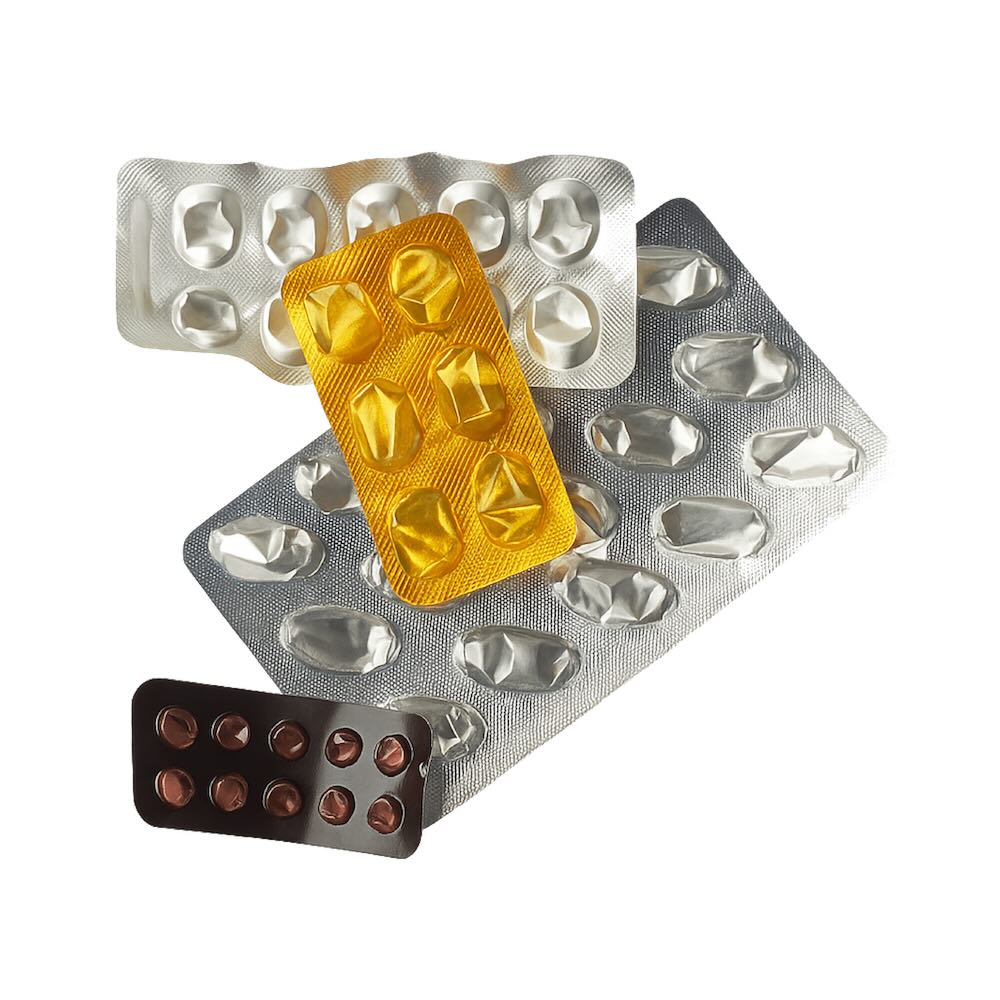
Blister packs are one of the most common forms of pharmaceutical packaging around 85% of solid unit drug doses in Europe are packed in blister pack SCI – C&I Issue 11 – Blistering waste. Their composite structure of plastic and aluminium foil makes them difficult to recycle through household collections, meaning most end up in landfill or incineration, wasting valuable resources and contributing to avoidable emissions.
Globally 36 million tonnes of blister packs are produced and in the United Kingdom, the NHS alone is estimated to use over 150 million blister packs annually. While they serve a vital functional role in modern medicine, their environmental footprint has become an increasing cause for concern https://MYGroupltd.com/blister-pack-recycling/.
About CiPPPA
The Circularity in Primary Pharmaceutical Packaging Accelerator (CiPPPA) is a not‑for‑profit industry initiative, project managed by TDi Sustainability, and made up of members from across the pharmaceutical and healthcare industry. It connects stakeholders across the entire pharmaceutical supply chain to develop and deploy solutions for the recycling of primary pharmaceutical packaging. For more information about CiPPPA please visit cipppa.org.
CiPPPA has three task forces; Blisters Packs, Injectables and Inhalers, each developing a tailored take-back scheme to enhance the recovery and recycling of used pharmaceutical packaging. The CiPPPA CircuBack take-back scheme, bring all the three take-back schemes being developed by the three Task Forces under its unified scheme.
The CircuBack Initiative
The CiPPPA CircuBack initiative will help empower consumers to recycle empty blister packaging at their nearest participating dispensing retail pharmacies and dispensing Doctor practices.
What Is Accepted
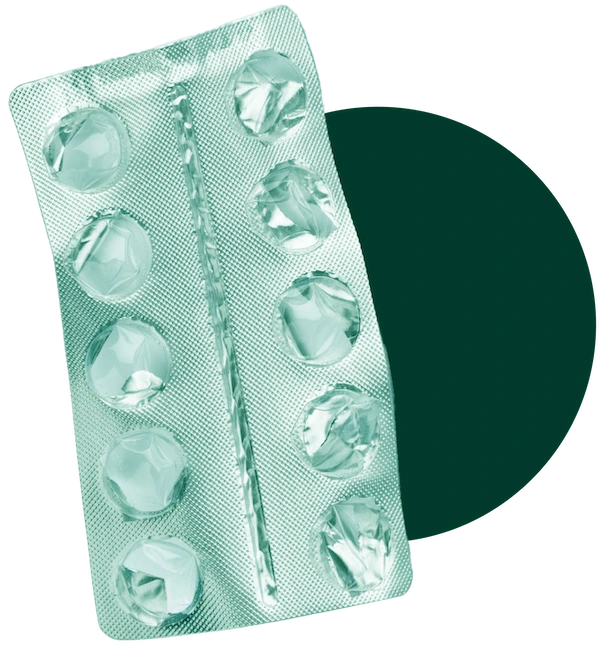
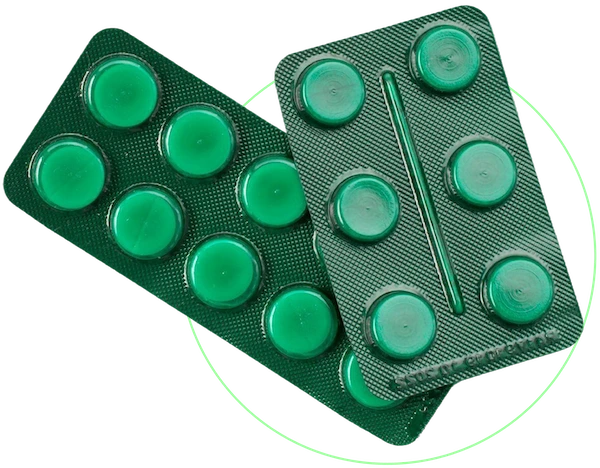
All types and brands of empty blister packs.
- The initiative is brand and device-agnostic. Any standard medicine blister pack used for tablets or capsules is accepted.
- Recycled into new aluminium products
Aluminium is highly recyclable and retains its quality. - Plastic cavities (typically PVC or PET)
Processed into secondary raw materials for manufacturing new plastic items.
What Is Not Accepted
Blister packs containing residual medicine
- Any remaining medicine will not be recycled. It will be treated and disposed of safely under pharmaceutical waste regulations.
- Contaminated blister packs
Any visibly soiled or unsuitable packs will be removed to ensure patient and environmental safety.
Collection Sites
Use the map below to find your nearest Blister packs Collection Site.
Frequently Asked Questions
The CircuBack Blister packs initiative allows patients to drop off their empty Blister packs at their nearest participating Dispensing Retail Pharmacy or a Dispensing Doctor practice.
The collection process is being coordinated by Cencora Alliance Healthcare, which acts as the implementation partner for the initiative. Cencora Alliance Healthcare collect the binsfrom participating Retail Pharmacies and Dispensing Doctor practices once they are full at the same time as a normal medicines’ delivery.
Licensed waste management partner MYGroup handles the recycling of the blister packs separating plastic and aluminium for safe and compliant reuse and efficient recycling process.
The initiative is brand- and device-agnostic, meaning the focus is on standard medicine blister packs used for tablets and capsules, rather than specific brands. As such, all types andbrands of empty blister packs will be collected as part of the pilot.
The scheme focuses on recovering and re-using the main materials in blister packs. The plastic and aluminium components of empty blister packs will be recycled; anycontaminated waste or residual medicines will be removed and handled separately to ensure patient and environmental safety.
- Aluminium foil backing: Will be separated and recycled into new aluminium products. Aluminium is highly recyclable and can be re-melted repeatedly without loss of quality.
- Plastic cavities (usually PVC or PET): Will be processed where possible into secondary raw materials for use in manufacturing new plastic items.
- Residual medicine: If present, it will not be recycled. It will be treated and disposed of safely under pharmaceutical waste regulations.
Note on dosette boxes: This scheme does not include dosette boxes (weekly pill organisers provided by pharmacies or used at home). These are different from blisterpacks and should not be placed in the recycling collection.
- Go to the Cencora Alliance Healthcare website to find your nearest participating retail pharmacy/dispensing doctor practice to recycle your empty blister packaging.
- To learn more about our blister packs recycling scheme, go to the About section.
This is a Circularity in Primary Pharmaceutical Packaging Accelerator (CiPPPA) initiative, managed by TDi Sustainability. While CiPPPA is supported by its general membership, the CircuBack project is specifically funded by a subset of these members, which are/include pharmaceutical companies. These companies have contributed financially to CircuBack and have been involved in decisions on how the project funds are used. For full transparency, a separate list of these sponsoring companies and their logos is available here
TDi Sustainability: Assheton Carter Limited trading as TDi Sustainability.
Licensed waste management company called company MYGroup is providing the recycling function and waste processing service. MYGroup are a contracted service provider within the project, managing the recycling and processing of collected blister packs, separating plastic and aluminium for safe and compliant reuse.
Use the map in the Collection Sites section to find a participating pharmacy near you.
No, only dispensing retail pharmacies and dispensing Doctor practices within the project area (TBC) and receive daily deliveries from Cencora Alliance Healthcare. All participating pharmacies/dispensaries must complete the expression of interest form and waste transfer note. Any pharmacy wishing to join the initiative can contact (Cencora Alliance Healthcare email) or fill out the expression of interest form on their website.
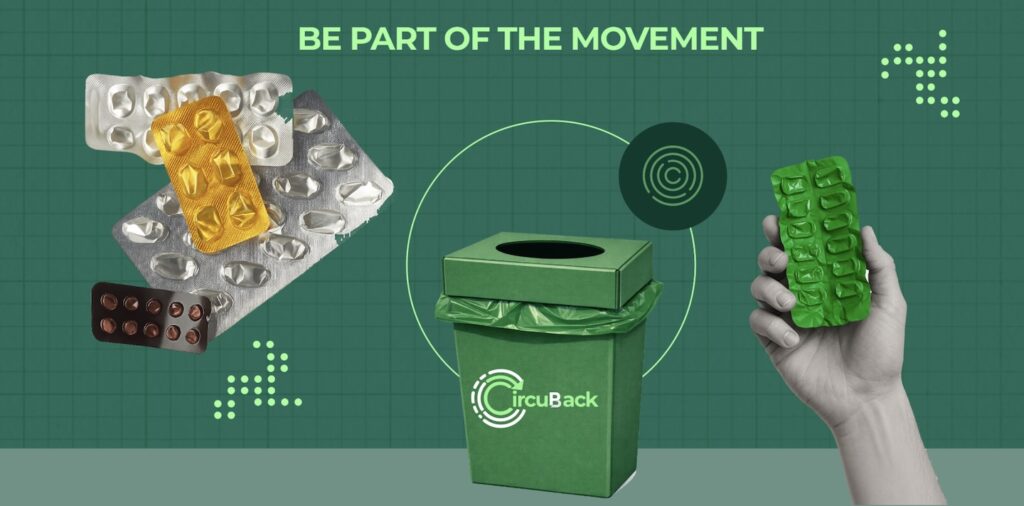
Join the Blister packs take‑back initiative today
Your blister packs may be small, but your impact is BIG.
By dropping off your empty blister packaging at your nearest participating pharmacy, you’re joining thousands of consumers across the UK who are making healthcarepackaging more sustainable.
Together, these actions which might look small, they add up to BIG change.
Members
CiPPPA CircuBack Sponsoring Companies
The CiPPPA initiative is supported by its general membership; the CircuBack project is specifically funded by a subset of these members, which are/include pharmaceutical companies. These companies have contributed financially to CircuBack and have been involved in decisions on how the project funds are used.








CiPPPA CircuBack Implementation Partners
CiPPPA CircuBack take-back scheme collection process is being coordinated by Cencora Alliance Healthcare. They collects the bins from participating Retail Dispensing Pharmacies and Dispensing Doctor practices once they are full at the same time as a normal medicines’ delivery. Licensed waste management partner MYGroup handles the recycling of the blister packs separating plastic and aluminium for safe and compliant reuse and efficient recycling process.
Contact us
For more information about the scheme please contact:
CiPPPA E‑mail: info@cipppa.org